
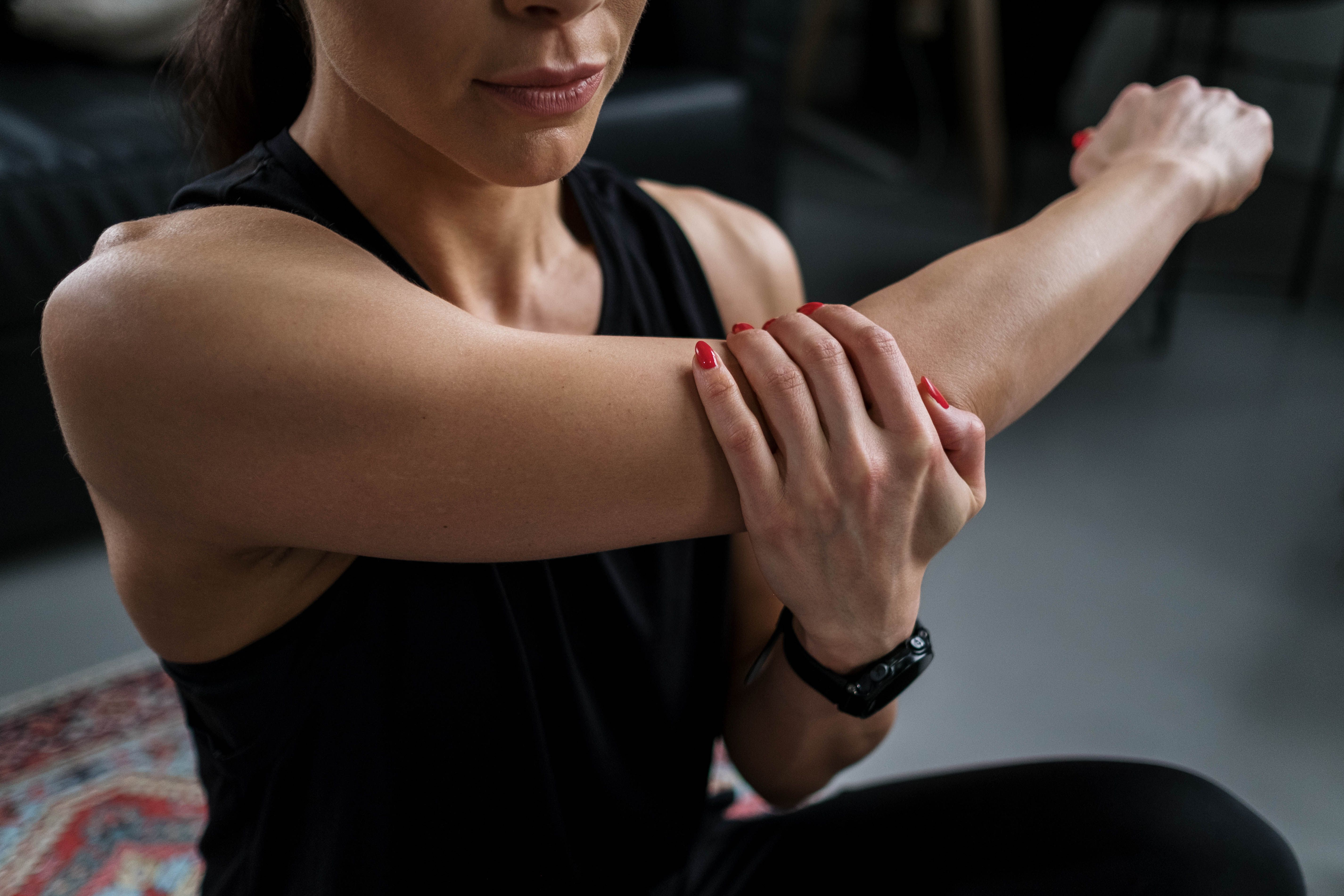
10 Mobility Drills to Improve Joint Health and Prevent Stiffness
Daily routines often become more challenging when your joints feel stiff and uncooperative. Keeping your body moving with consistent mobility exercises helps you stay...
Aug 16, 2026


Practicing Pilates brings noticeable changes from your very first session at home. Each movement targets your core muscles, helping you develop strength and stability where it matters most. As you continue, you may notice your posture improving, daily aches like back pain easing, and routine activities feeling less strenuous. All it takes to begin is a comfortable mat, an open area, and a routine that works for your daily life. By making time for Pilates, you give yourself the chance to feel stronger and more balanced without the need for complicated equipment or studio memberships.
You'll learn how to set up a safe spot at home, pick key exercises, and create a weekly plan that keeps you on track. Clear instructions and safety tips ensure progress without injury. Ready to strengthen your center and move with confidence? Let’s get started.
Core stability comes from muscles that support your spine, pelvis, and hips. Strong core muscles improve balance, boost power in sports or lifting, and reduce injury risk. Studies show a stable core can lower back pain episodes by 30% when you train consistently over 8 weeks.
Pilates emphasizes controlled breathing, alignment, and slow, precise motions. It targets the deep core, including the transverse abdominis and pelvic floor. You engage both large and small muscles, building strength that translates to daily life—lifting groceries, carrying kids, or reaching overhead.
Choose a quiet corner with at least six feet of open floor. Lay down a non-slip mat or yoga mat. If you want extra cushion, add a folded towel under your lower back.
Gather simple props like resistance bands or a small Pilates ball. A sturdy chair or countertop helps with balance exercises. Keep water handy and wear comfortable clothes that allow full movement.
These five moves engage different layers of your midsection. Focus on quality over quantity. Aim for 10–12 slow reps of each exercise, resting 30 seconds between sets.
Balance focus days with rest. Rotate core, flexibility, and full-body sessions. Track your progress in a journal or app. Adjust reps and sets as you grow stronger.
Avoid arching your lower back during abdominal moves. Keep ribs down and pelvis neutral. If you feel pain in your neck, support your head lightly with your hands and focus on lifting through your abdominals instead of straining your cervical spine.
Move slowly and watch your alignment in a mirror or record yourself with a phone. Stop any exercise that causes sharp pain. Consult a professional if you have chronic issues or recent injuries before starting a new routine.
Track small wins like adding two more reps or holding a plank 10 seconds longer. Celebrate consistency—completing three sessions per week creates real change. Share your journey with a friend or in a social group for accountability.
Change exercises every 4–6 weeks. Introduce new props or advanced moves to challenge your muscles. As you get stronger, you’ll notice better posture at work and improved balance on stairs or uneven ground.
Stick with short, daily check-ins. Even five minutes of targeted core work during breaks helps your retention and keeps your routine fresh.
Commit to your mat to improve stability, reduce discomfort, and build a stronger, more resilient body.
Daily routines often become more challenging when your joints feel stiff and uncooperative. Keeping your body moving with consistent mobility exercises helps you stay...
Aug 16, 2026
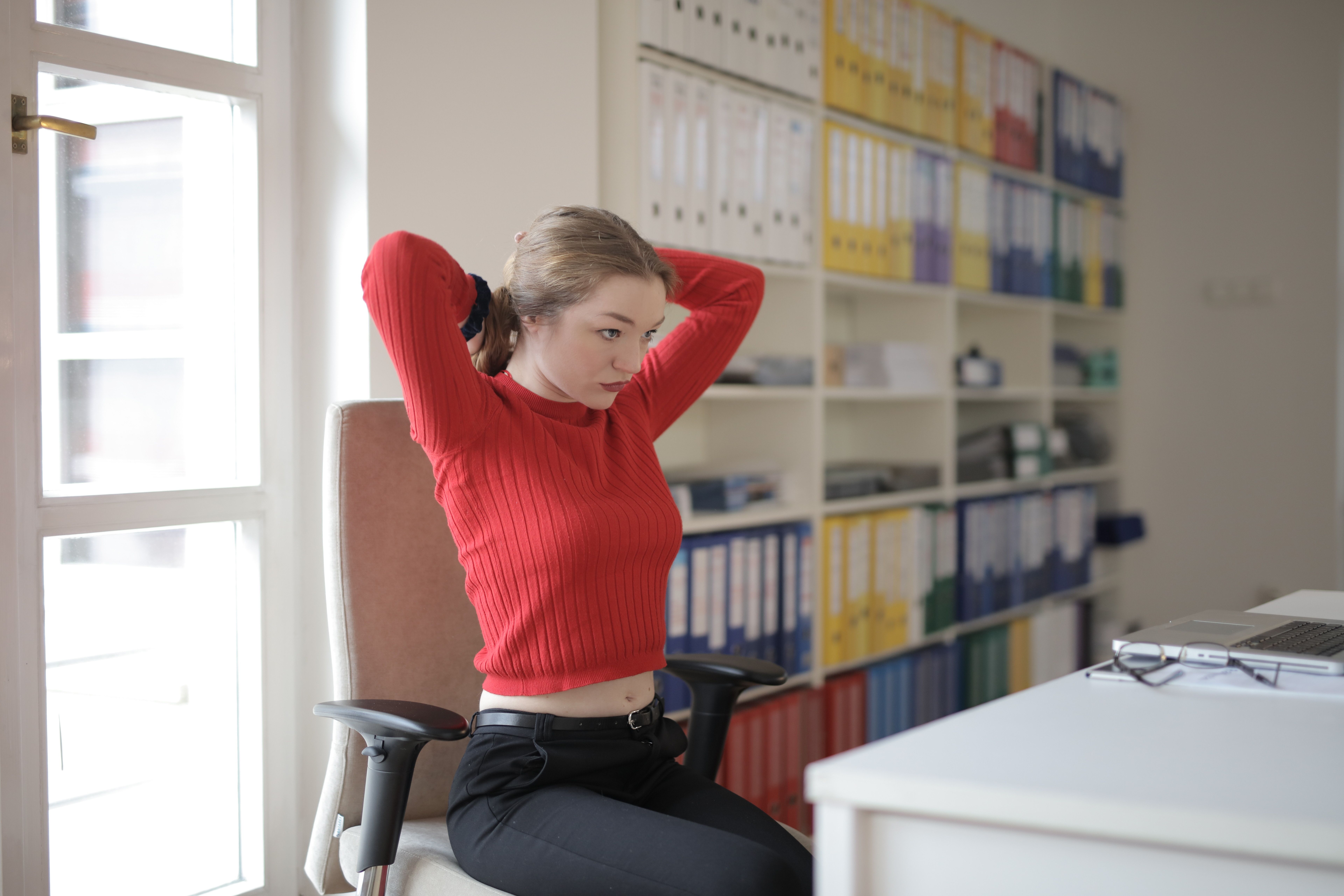
Long hours at a desk often lead to stiff muscles and reduced blood flow. Taking a few minutes for stretch breaks throughout the day loosens your body and helps you feel...
Jun 10, 2026
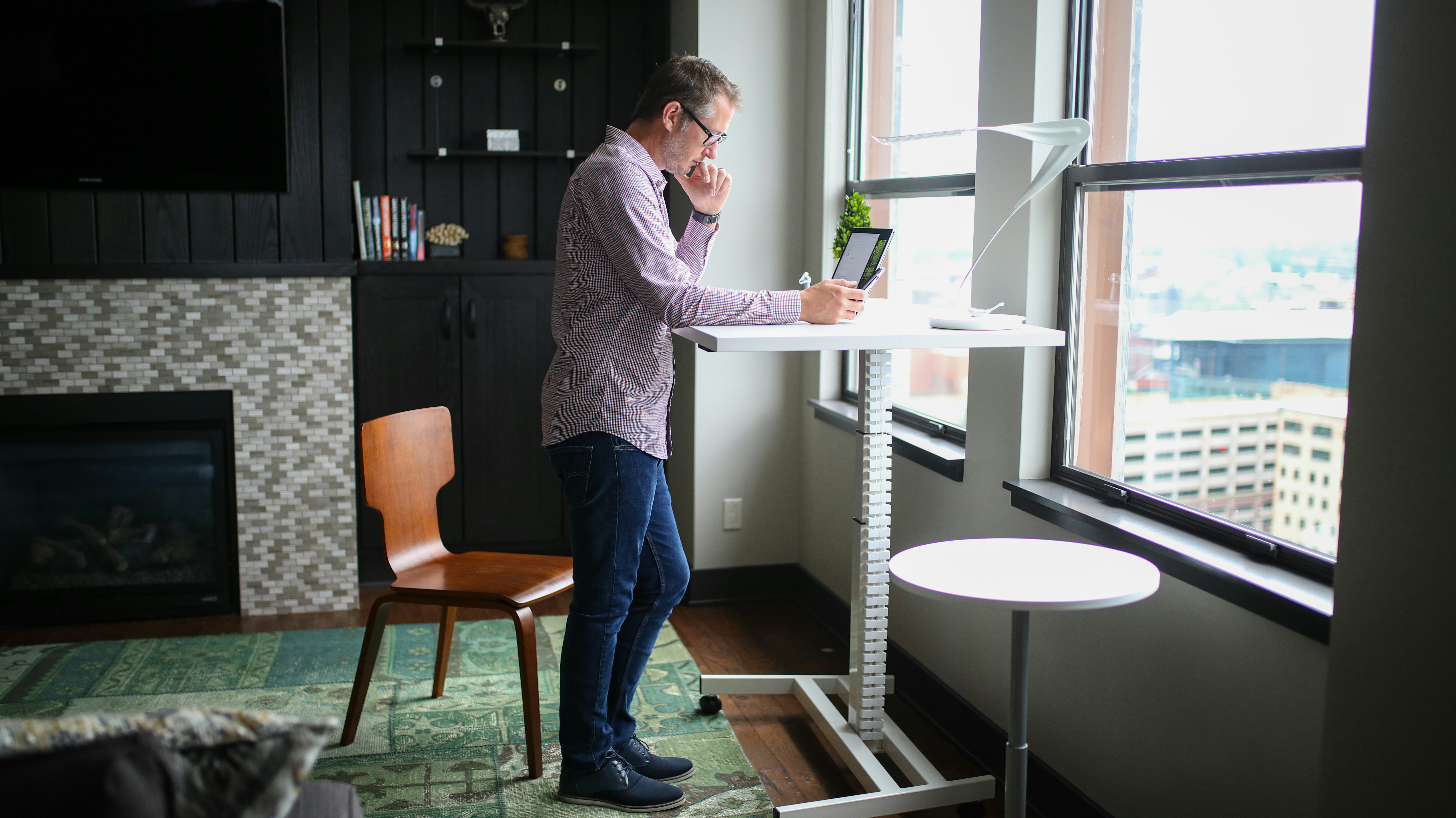
Many people spend hours at their desks while working from home, which can lead to stiffness, soreness, or fatigue before the day is even halfway over. Paying attention...
Sep 21, 2026
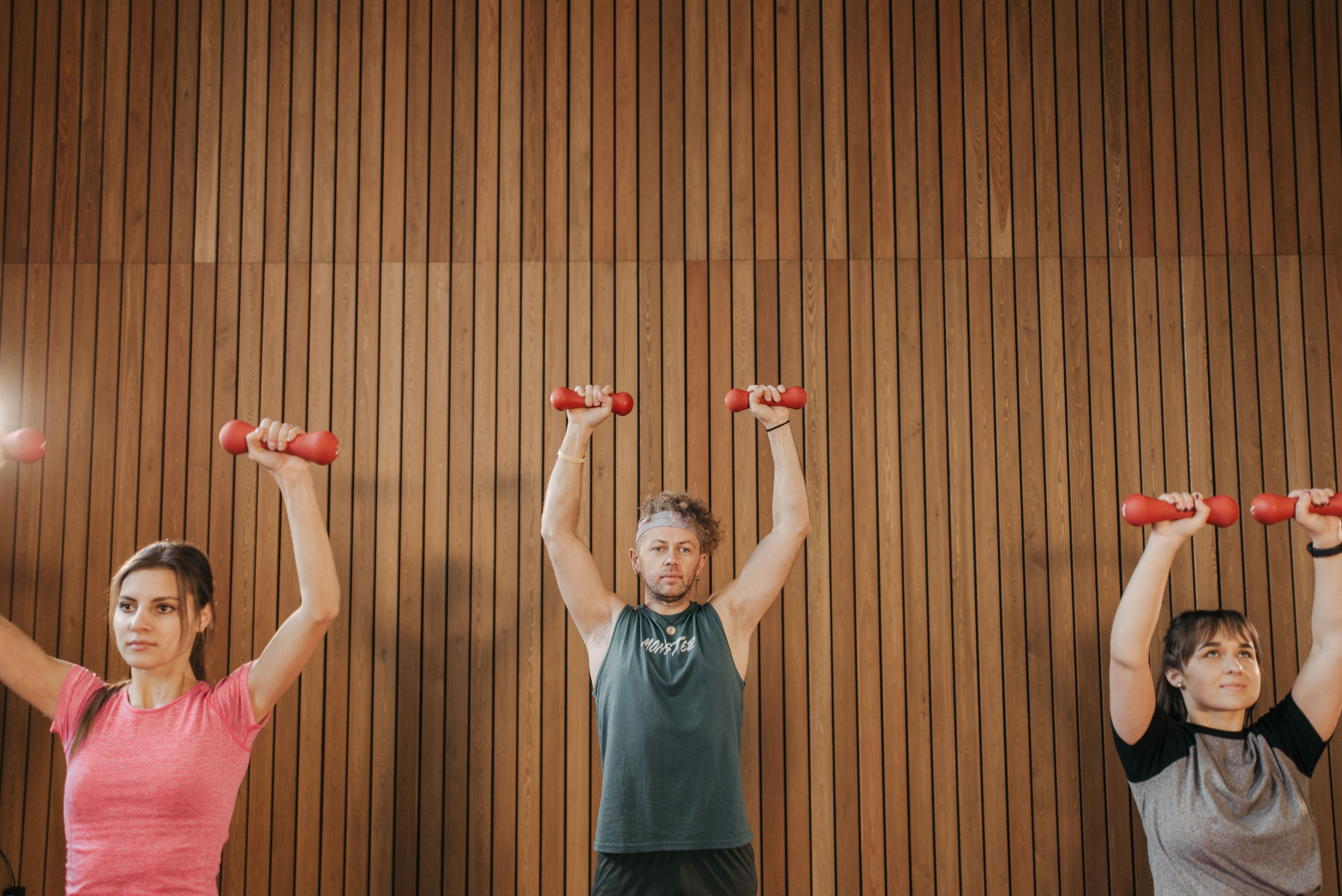
Group fitness challenges bring people together and make building new exercise habits more enjoyable. Sharing workouts with others who have similar fitness goals creates...
Jul 21, 2026
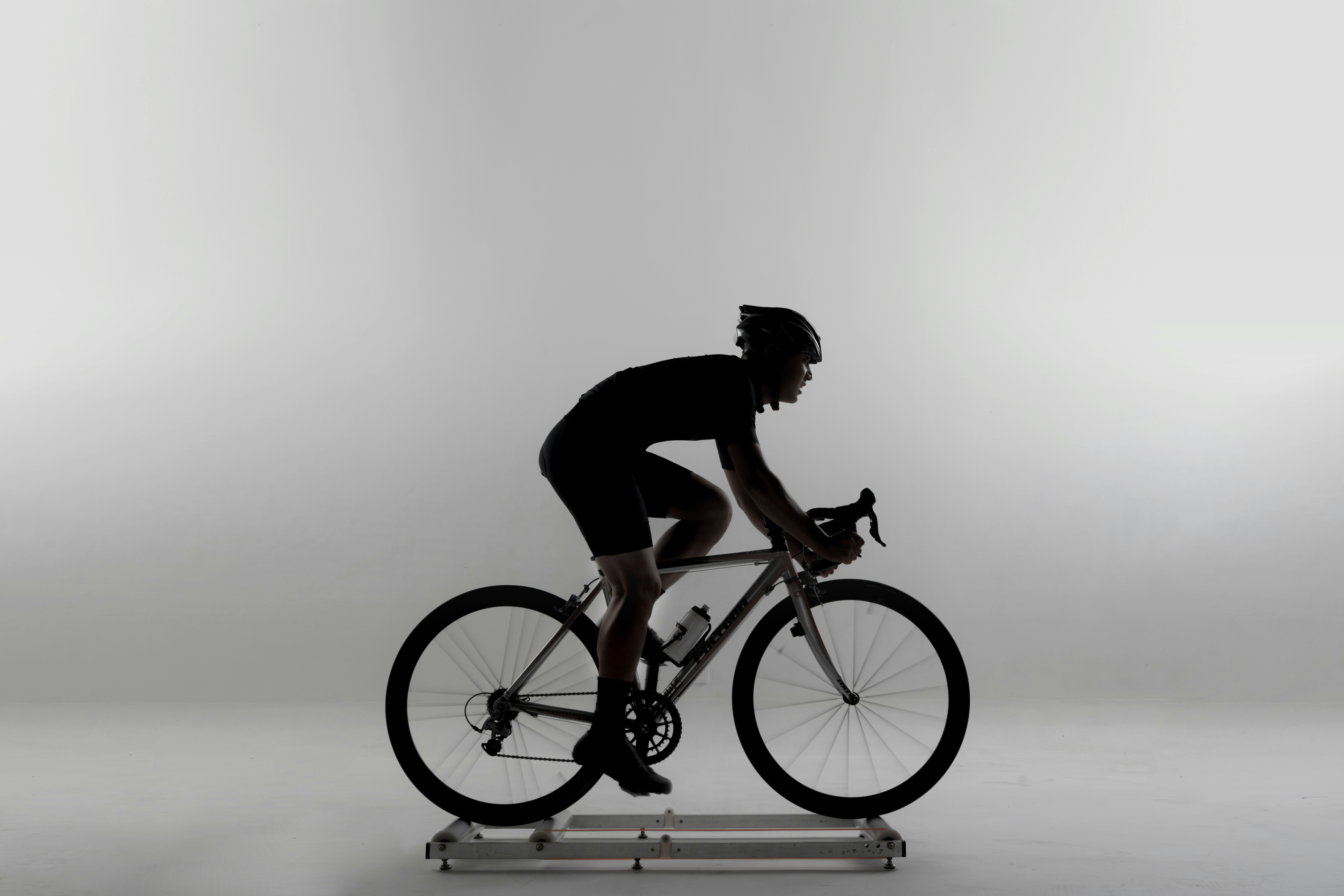
Riding a bike offers a practical way to improve both lung capacity and heart health, making it easier to handle everyday stress. Pedaling on a regular basis gives you a...
Jul 15, 2026
Seasonal changes bring new opportunities to refresh your health habits and keep your routine exciting. As the calendar shifts, you can find inspiration in the unique...
Jul 24, 2026

Building lasting bonds depends on thoughtful, everyday choices. You pick up on subtle shifts, like a dip in enthusiasm or when discussions feel less genuine. Noticing...
Aug 26, 2026
Attending an interactive webinar focused on preventing chronic conditions offers a valuable chance to discover practical ways to lower blood pressure, maintain healthy...
Sep 12, 2026

Developing mental strength requires dedication, patience, and the right resources to help you stay on track. Personal development courses provide structured support,...
Sep 16, 2026
Interactive workshops combine emotional understanding with hands-on activities to help people build mental resilience. Attendees engage in exercises designed to sharpen...
Aug 12, 2026
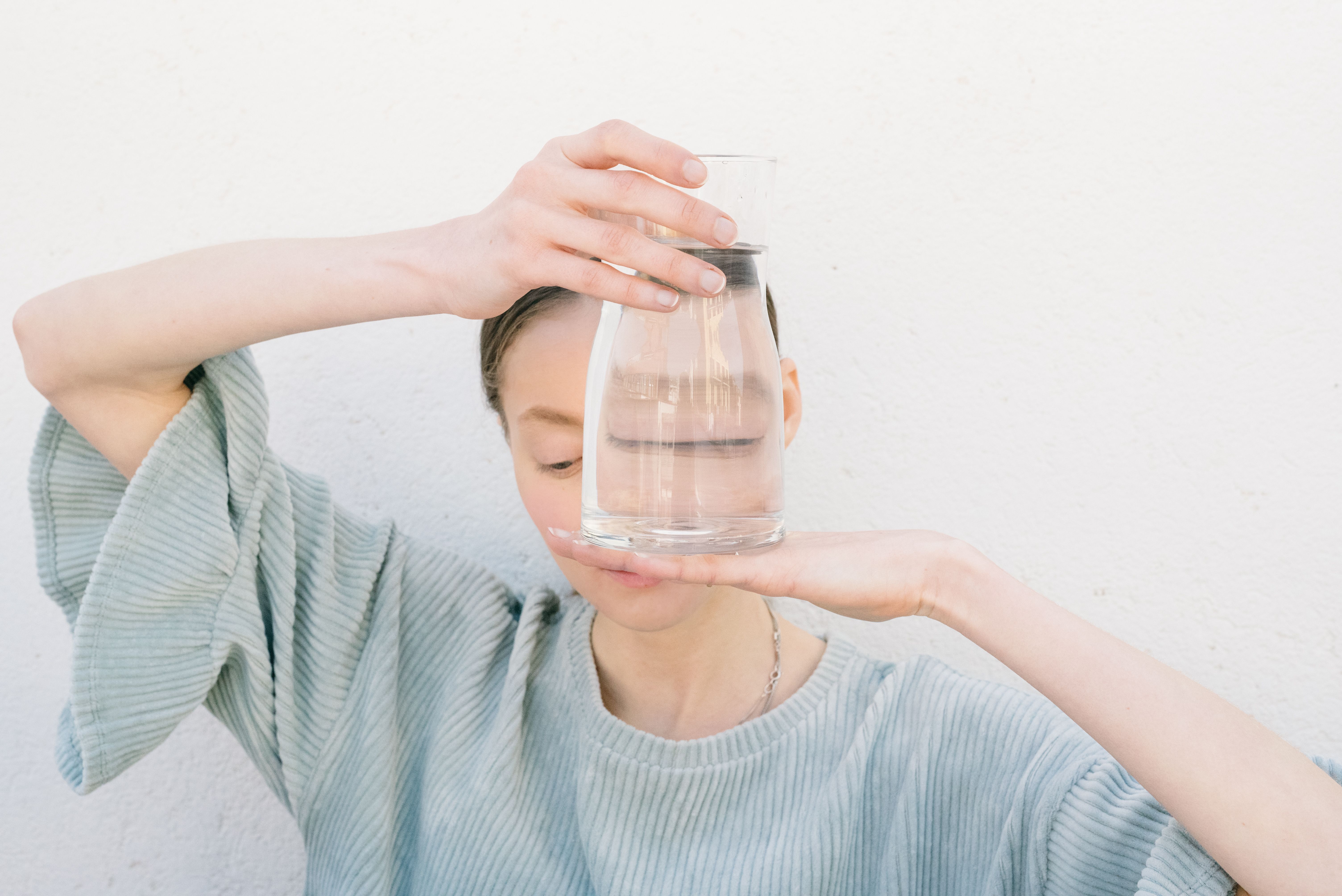
Staying energized each day depends on more than grabbing a cup of coffee. Your body relies on water to help cells convert nutrients into the fuel you need. When you...
Sep 04, 2026
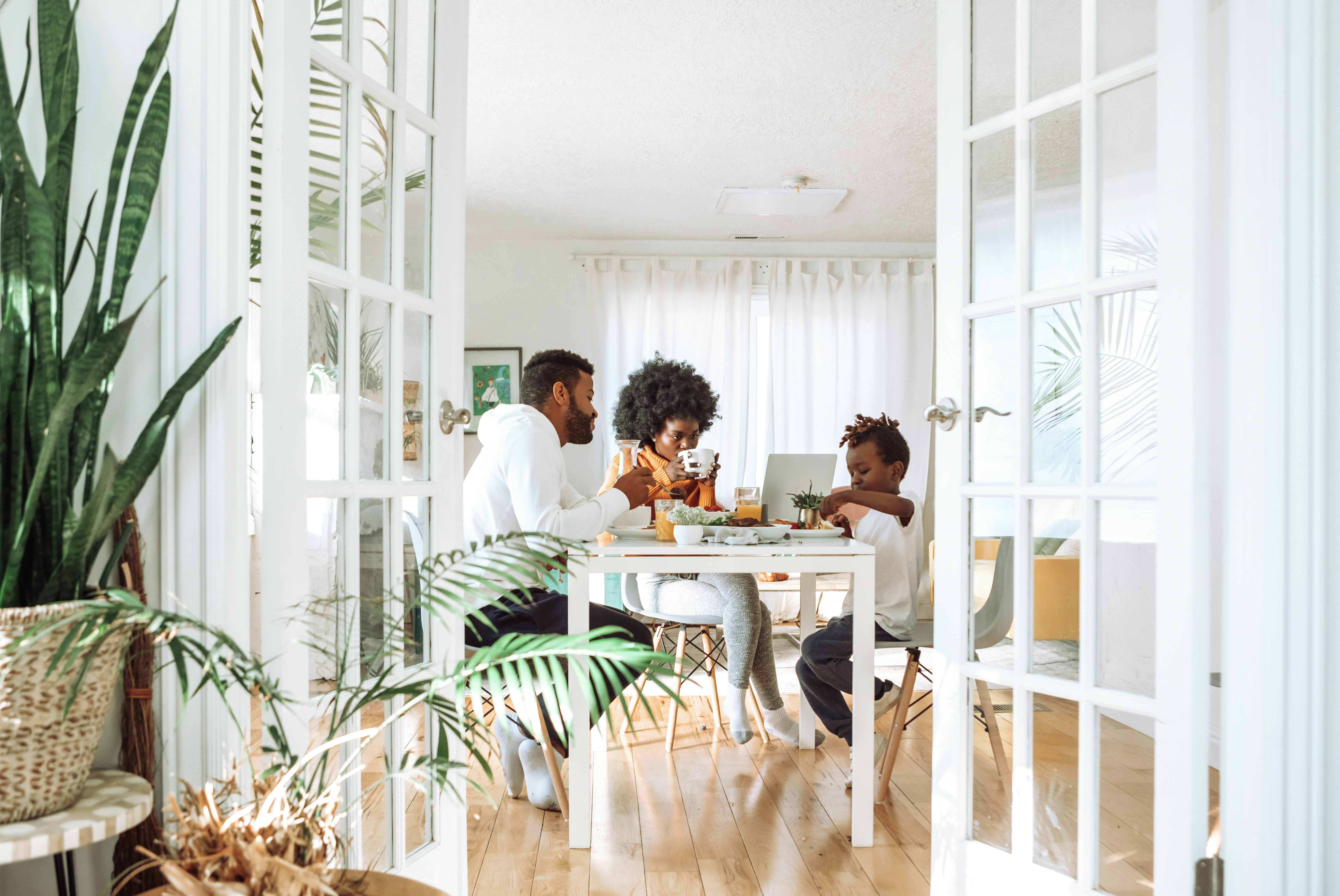
Setting up a home that supports both physical health and mental well-being begins with thoughtful planning. The way you arrange your furniture, select colors, and...
Aug 31, 2026

Taking a moment each day to reflect on your routines helps you understand which habits align with your health goals and which ones may hold you back. By asking yourself...
Aug 02, 2026
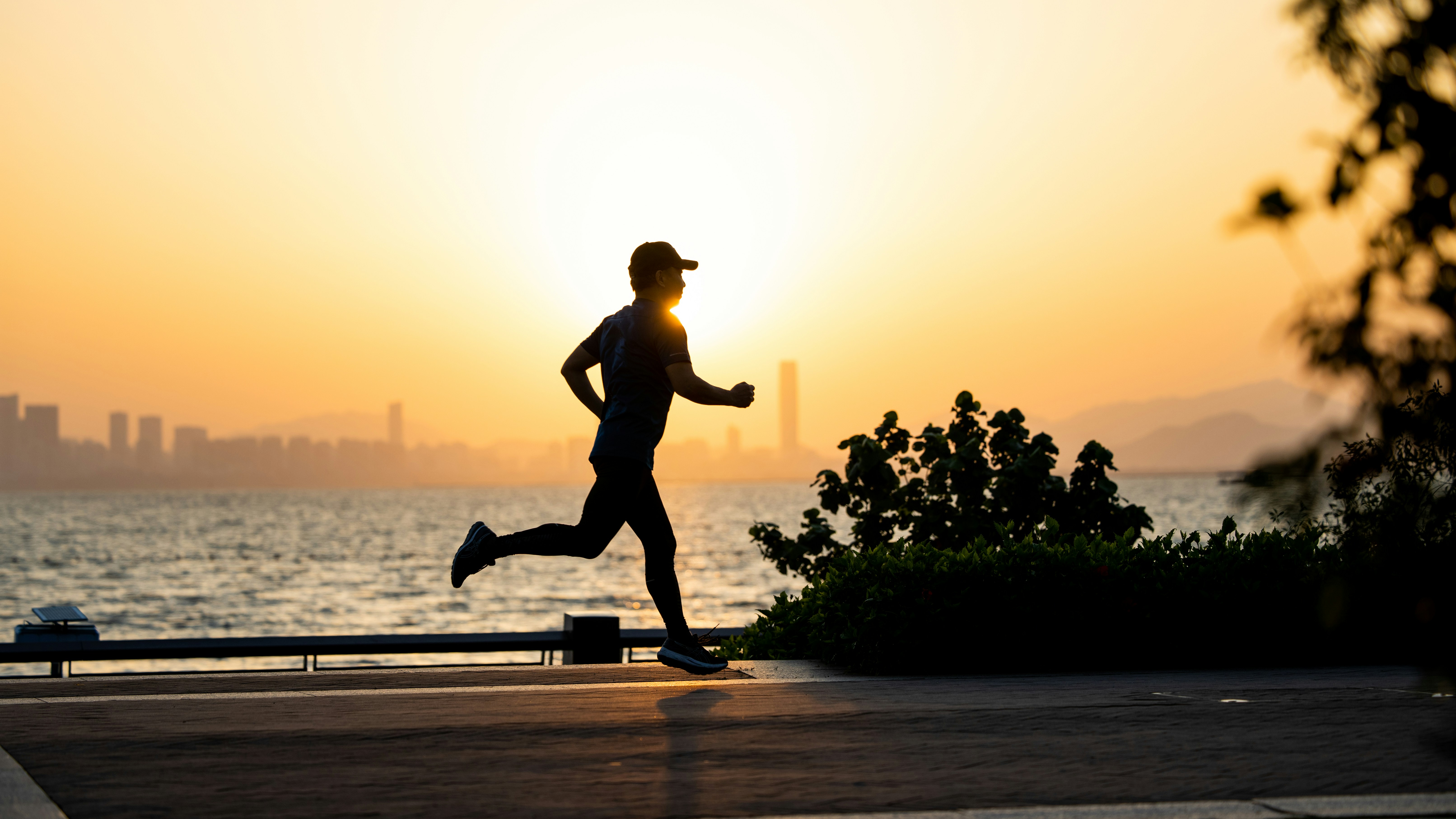
Plenty of runners find themselves going through the motions, checking off miles without really savoring the experience. Initial excitement often fades when running turns...
Aug 19, 2026