

How To Optimize Sleep Routines For Shift Workers And Night Owls
Constantly changing shifts or working overnight can disrupt your natural sleep patterns and leave you feeling out of balance. You may find yourself struggling to fall...
Oct 04, 2026



Simple adjustments in your home can create a noticeable difference in comfort and cleanliness. Swapping out harsh cleaning products for environmentally friendly alternatives keeps surfaces spotless while avoiding harmful residues. Everyday actions, such as turning off unused lights and cutting back on disposable items, make it easy to lower utility bills and reduce waste. This guide highlights practical habits that contribute to better indoor air quality, help you save money, and create a healthier environment throughout your home.
Select brands that clearly list plant-based surfactants and avoid phosphates. Look for the *EcoClean* seal or the *NatureGuard* label on bottles; these products often pass strict biodegradability tests. Products with third-party certification lessen guesswork and break down safely after use.
Mix vinegar with baking soda for effective cleaning. Combine one part white vinegar, one part water, and a few drops of citrus essential oil in a spray bottle to clean glass streak-free. For stubborn grout stains, sprinkle baking soda, spray with the vinegar solution, then scrub with an old toothbrush.
Turning off electronics when not in use saves energy. Make it a routine to unplug devices like gaming consoles and cable boxes, which still draw power when plugged in. Use smart power strips that detect standby mode and cut power automatically.
Heating and cooling make up nearly 48% of household energy use. Small adjustments can lead to significant savings without sacrificing comfort. Set modest thermostat setbacks during winter and summer to lower bills.
Stale air traps allergens and airborne chemicals (VOCs) emitted by furniture, paints, and cleaning products. Improve air quality by adding houseplants that filter common pollutants. Research shows that plants like *Spathiphyllum* (peace lily) can eliminate benzene and formaldehyde in enclosed spaces.
Keep humidity levels between 30% and 50% to prevent mold growth and keep respiratory systems healthy. Use a small dehumidifier in damp basements or a humidifier in dry rooms to balance moisture. Place hygrometers around your home to monitor levels and adjust devices as needed.
Organize trash into clear categories, such as organics and recyclables, to make disposal easier. Set up labeled bins near kitchen counters and in laundry rooms. Having bins within easy reach encourages correct sorting every time you dispose of waste.
When shopping, bring reusable produce bags and containers for storing food. According to the Environmental Protection Agency, food packaging accounts for over 13% of municipal solid waste. Reducing this starts at the checkout counter.
Choose furniture made from reclaimed wood or certified by the *Forest Stewardship Council* to avoid toxins in your living room. Use low-VOC paints and finishes to reduce off-gassing during redecorating. Investing in durable furniture often pays off through increased longevity and resale value.
Natural fiber curtains and rugs—made from cotton, jute, or wool—allow better airflow and trap less dust than synthetic options. This also reduces the release of microplastic fibers into the air and waterways when vacuuming or washing linens.
Create a habit tracker to maintain new routines. Mark each day you air out rooms, change air filters, or refill cleaning sprays from bulk containers. Seeing your progress keeps you motivated and responsible.
Set aside a weekly “eco-check” hour. Use this time to review your energy consumption via your smart meter app, restock eco-friendly supplies, and tidy up clutter that blocks airflow. Short, regular sessions work better than occasional deep cleaning in maintaining a healthy environment.
Adopting these green habits improves your home’s air quality, reduces utility bills, and minimizes waste with minimal effort. Small, consistent changes create a healthier living environment.
Constantly changing shifts or working overnight can disrupt your natural sleep patterns and leave you feeling out of balance. You may find yourself struggling to fall...
Oct 04, 2026

Seasonal changes bring new opportunities to refresh your health habits and keep your routine exciting. As the calendar shifts, you can find inspiration in the unique...
Jul 24, 2026

Preparing meals ahead of time streamlines your approach to healthy eating and makes evenings much less hectic. By choosing reliable kitchen equipment, you can create...
Jun 21, 2026

Staying energized each day depends on more than grabbing a cup of coffee. Your body relies on water to help cells convert nutrients into the fuel you need. When you...
Sep 04, 2026

Attending an interactive webinar focused on preventing chronic conditions offers a valuable chance to discover practical ways to lower blood pressure, maintain healthy...
Sep 12, 2026

Long hours at a desk often lead to stiff muscles and reduced blood flow. Taking a few minutes for stretch breaks throughout the day loosens your body and helps you feel...
Jun 10, 2026

Group fitness challenges bring people together and make building new exercise habits more enjoyable. Sharing workouts with others who have similar fitness goals creates...
Jul 21, 2026

Busy workweeks often make it challenging to maintain healthy eating habits. As tasks build up and meetings fill your schedule, you might find yourself reaching for quick...
Aug 05, 2026

Close relationships with friends, family, and neighbors can brighten our mood and support overall physical health. When people connect with others, the brain releases...
Jun 24, 2026

Taking a moment each day to reflect on your routines helps you understand which habits align with your health goals and which ones may hold you back. By asking yourself...
Aug 02, 2026

Wearing a fitness tracker helps you turn daily routines into useful information, making it easier to see how your choices add up over time. With a device on your wrist,...
Sep 27, 2026

Interactive workshops combine emotional understanding with hands-on activities to help people build mental resilience. Attendees engage in exercises designed to sharpen...
Aug 12, 2026
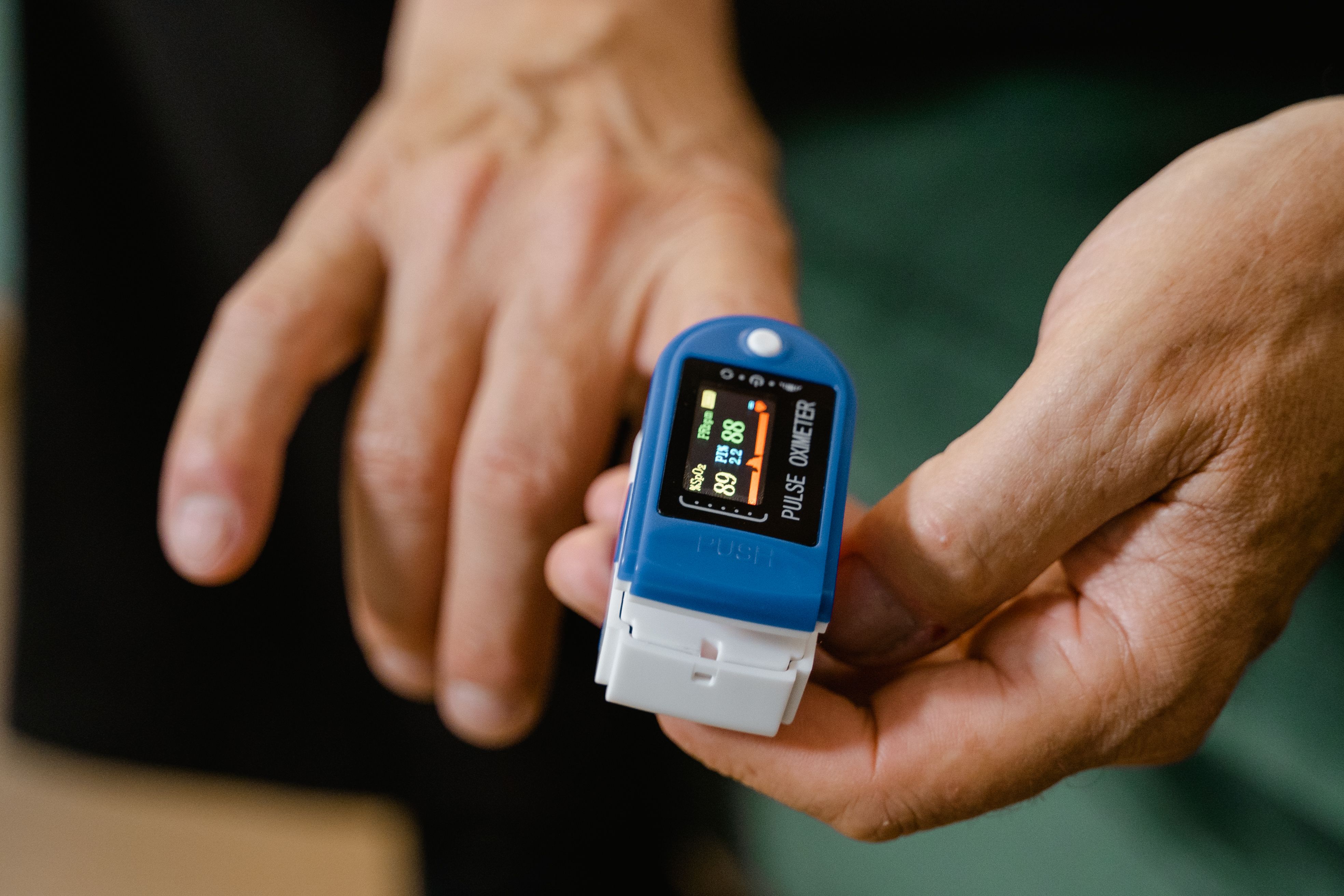
Modern apps and devices simplify the way people keep an eye on their health. These tools deliver instant updates on daily steps, sleep quality, meals, and even stress....
Jul 01, 2026

Riding a bike offers a practical way to improve both lung capacity and heart health, making it easier to handle everyday stress. Pedaling on a regular basis gives you a...
Jul 15, 2026