
Top Fitness Tracker Features That Support Healthy Daily Habits
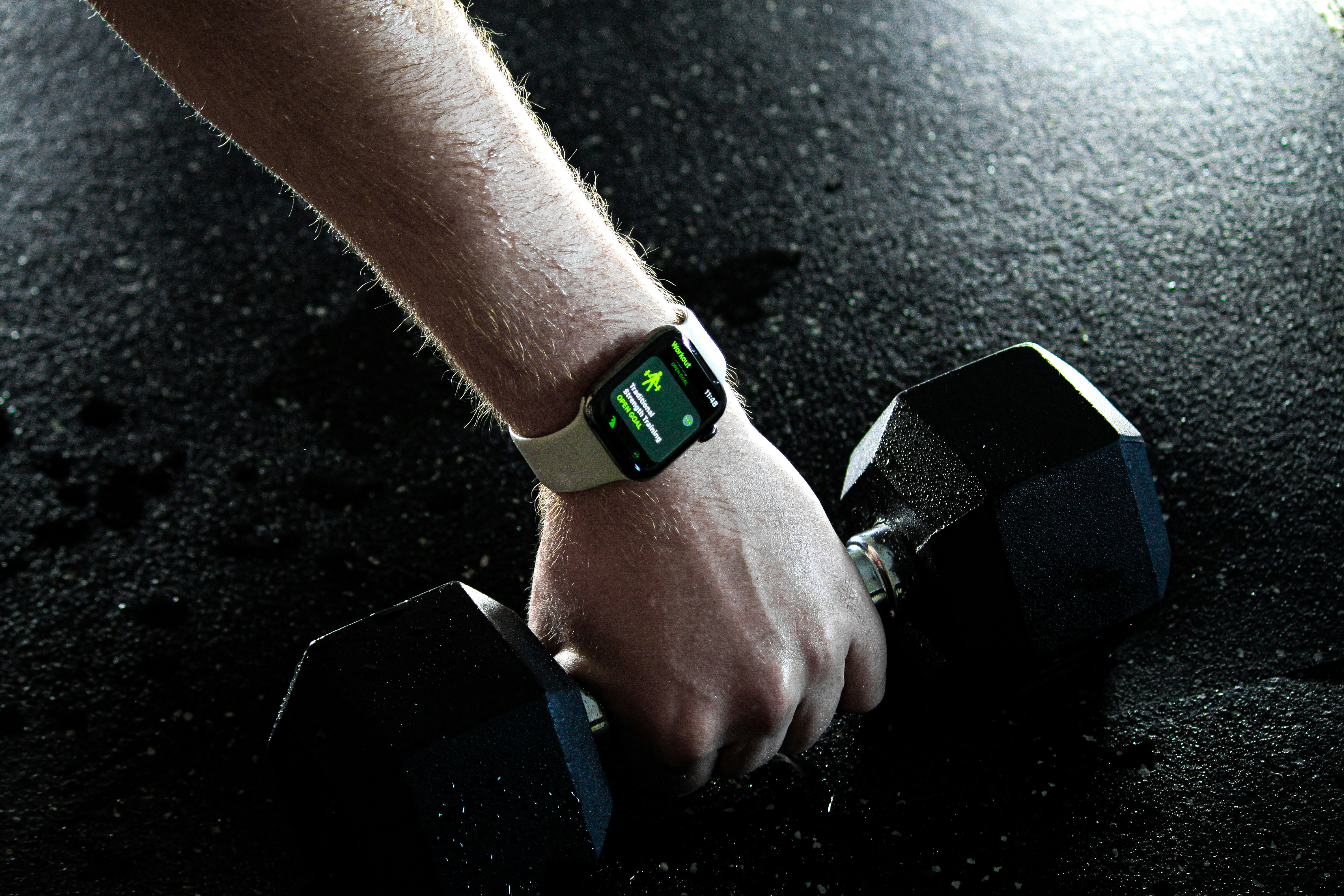
Wearing a fitness tracker helps you turn daily routines into useful information, making it easier to see how your choices add up over time. With a device on your wrist,...
Sep 27, 2026


Many educational apps simplify wellness concepts by presenting them in easy-to-follow steps. These apps help you set goals, monitor your progress, and make small changes to improve your daily habits. With short, focused lessons, you receive instant feedback and gain access to useful resources tailored to your needs. You won’t have to invest in expensive gadgets or hire a personal coach to make positive changes. All you need is your smartphone and an app that suits your preferences. This practical approach helps you stay motivated and organized as you build healthier routines at your own pace.
Many people struggle to keep tabs on workouts, meals and sleep. Apps eliminate guesswork. They send reminders, analyze data and suggest tweaks based on your goals. Over time, you dial in the routine that works best for you. This hands-on approach makes healthy changes stick.
Using an app adds structure. You set a clear target and see daily check-ins in one place. Visual charts reveal patterns, like whether weekend workouts dip or hydration drops in the afternoon. That insight sparks adjustments you might overlook.
These tools boost accountability. You see solid proof of your efforts and identify gaps in real time. That clarity turns vague resolutions into concrete actions.
Apps now offer bite-sized lessons that spark your interest. They combine videos, quizzes and scenarios to teach you about nutrition, exercise science and habit change. You won’t scroll past a plain block of text. Instead, you dive into a 2-minute quiz on protein sources or tap through a quick cooking demo.
These features hold your attention. You retain facts better when you actively engage. Plus, built-in game elements—like earning badges for lesson streaks—encourage you to keep coming back.
Not everyone aims for the same target. Some chase a 5K PR; others focus on lowering blood pressure. Educational apps now let you tailor goals down to specific metrics. You pick the focus, adjust the timeline and set milestones that fit your schedule.
When the plan matches your life—work hours, family duties or stress levels—you’re more likely to follow through. Smart apps observe your patterns. They nudge you to rest after a tough week or ramp up activity when you’re hitting targets easily.
Accountability often comes from others. Many apps integrate community forums, group challenges and friend invites. You can join a 30-day plank challenge, share meal photos or swap tips on sleep hygiene.
Some platforms enable you to team up with a coach or invite a workout buddy. If you miss a check-in, peers notice and send a prompt. That gentle peer pressure can pull you back on track. Celebrating wins together also feels more rewarding than going it alone.
Turning chores into games makes healthy habits more appealing. Apps now add point systems, leaderboards and milestones you unlock with each habit streak. You’ll find yourself logging meals or stretching just to earn that next badge.
This playful twist encourages friendly competition and keeps the routine fresh. You’ll look forward to unlocking new levels instead of dreading check-ins.
Pairing apps with wearables—such as smartwatches or fitness bands—fills in data gaps. Your resting heart rate, sleep stages and stress levels stream into the app automatically. Manual entry isn’t necessary, so you spend more time acting on insights and less time logging numbers.
With real-time metrics, apps can adjust recommendations on the spot. If your heart rate remains elevated, the app might suggest a breathing exercise. If your sleep drops below six hours, it could recommend a lighter workout. This dynamic approach helps you learn which habits produce the best results.
Beyond raw numbers, top apps now provide AI-generated insights. They identify correlations—such as your best sleep following an evening walk. Or they alert you that too many late-night snacks increase your resting heart rate. Armed with that analysis, you improve habits faster.
Some platforms let you export charts or share data with a healthcare provider. That makes doctor visits more productive. You bring clear visuals showing your progress, so your provider can focus on next steps rather than piecing together your routine.
Smart educational apps help you manage your health by combining learning, tracking, and social support. Try one today and discover how small changes can create lasting habits.
Wearing a fitness tracker helps you turn daily routines into useful information, making it easier to see how your choices add up over time. With a device on your wrist,...
Sep 27, 2026
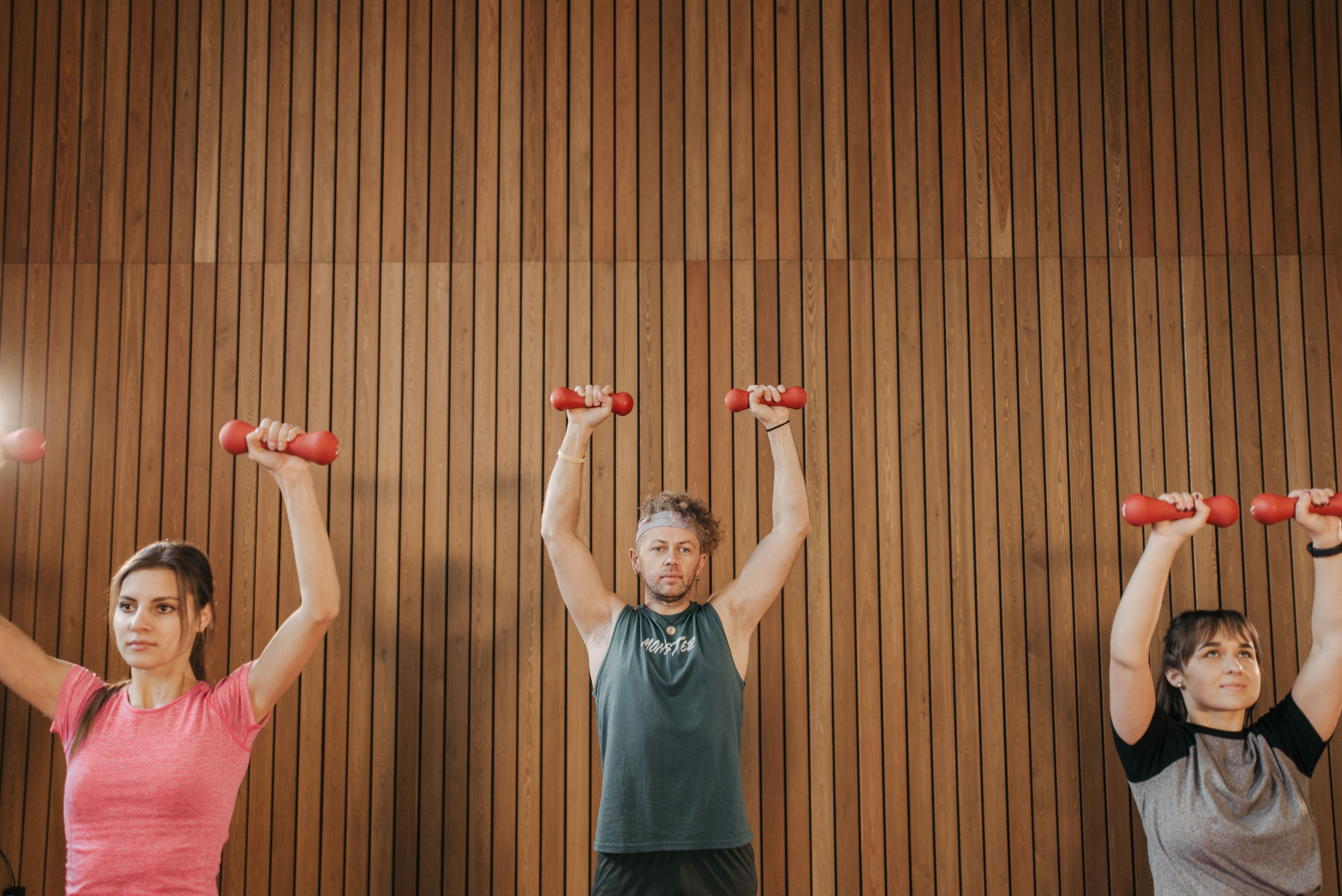
Group fitness challenges bring people together and make building new exercise habits more enjoyable. Sharing workouts with others who have similar fitness goals creates...
Jul 21, 2026

Riding a bike offers a practical way to improve both lung capacity and heart health, making it easier to handle everyday stress. Pedaling on a regular basis gives you a...
Jul 15, 2026

Developing mental strength requires dedication, patience, and the right resources to help you stay on track. Personal development courses provide structured support,...
Sep 16, 2026

Starting your day with a reliable morning routine can make a big difference in how energized and alert you feel. Choose a wake-up time and stick to it each day to give...
Jul 05, 2026

Seasonal changes bring new opportunities to refresh your health habits and keep your routine exciting. As the calendar shifts, you can find inspiration in the unique...
Jul 24, 2026

Attending an interactive webinar focused on preventing chronic conditions offers a valuable chance to discover practical ways to lower blood pressure, maintain healthy...
Sep 12, 2026

Interactive workshops combine emotional understanding with hands-on activities to help people build mental resilience. Attendees engage in exercises designed to sharpen...
Aug 12, 2026

Simple adjustments in your home can create a noticeable difference in comfort and cleanliness. Swapping out harsh cleaning products for environmentally friendly...
Oct 09, 2026

Plenty of runners find themselves going through the motions, checking off miles without really savoring the experience. Initial excitement often fades when running turns...
Aug 19, 2026

Setting up a home that supports both physical health and mental well-being begins with thoughtful planning. The way you arrange your furniture, select colors, and...
Aug 31, 2026

Staying energized each day depends on more than grabbing a cup of coffee. Your body relies on water to help cells convert nutrients into the fuel you need. When you...
Sep 04, 2026

Close relationships with friends, family, and neighbors can brighten our mood and support overall physical health. When people connect with others, the brain releases...
Jun 24, 2026

Busy workweeks often make it challenging to maintain healthy eating habits. As tasks build up and meetings fill your schedule, you might find yourself reaching for quick...
Aug 05, 2026